

Harnessing HTC-enabled precision mental health to capture the complexity of smoking cessation
Collaborating with CHTC research computing facilitation staff, UW-Madison researcher Gaylen Fronk is using HTC to improve cigarette cessation treatments by accounting for the complex differences among patients.
HTCondor Software Suite (HTCSS) provides an array of services for automating and managing High Throughput workloads and computing capacity.
HTCSS Impact
View the contributions of HTCSS to the world of computing, scientific research, and the projects using it across the globe.
See the Impact of HTCSS
HTCondor is a software system that creates a High-Throughput Computing (HTC) environment. It effectively uses the computing power of machines connected over a network, be they a single cluster, a set of clusters on a campus, cloud resources either standalone or temporarily joined to a local cluster, or international grids. Power comes from the ability to effectively harness shared resources with distributed ownership.
The HTCondor-CE software is a Compute Entrypoint (CE) based on HTCondor for sites that are part of a larger computing grid (e.g. European Grid Infrastructure, Open Science Grid). As such, HTCondor-CE serves as a "door" for incoming resource allocation requests (RARs) — it handles authorization and delegation of these requests to a grid site's local batch system. Supported batch systems include Grid Engine, HTCondor, LSF, PBS Pro/Torque, and Slurm.
HTCondor is a software system that creates a High-Throughput Computing (HTC) environment. It effectively uses the computing power of machines connected over a network, be they a single cluster, a set of clusters on a campus, cloud resources either standalone or temporarily joined to a local cluster, or international grids. Power comes from the ability to effectively harness shared resources with distributed ownership.
The HTCondor-CE software is a Compute Entrypoint (CE) based on HTCondor for sites that are part of a larger computing grid (e.g. European Grid Infrastructure, Open Science Grid). As such, HTCondor-CE serves as a "door" for incoming resource allocation requests (RARs) — it handles authorization and delegation of these requests to a grid site's local batch system. Supported batch systems include Grid Engine, HTCondor, LSF, PBS Pro/Torque, and Slurm.

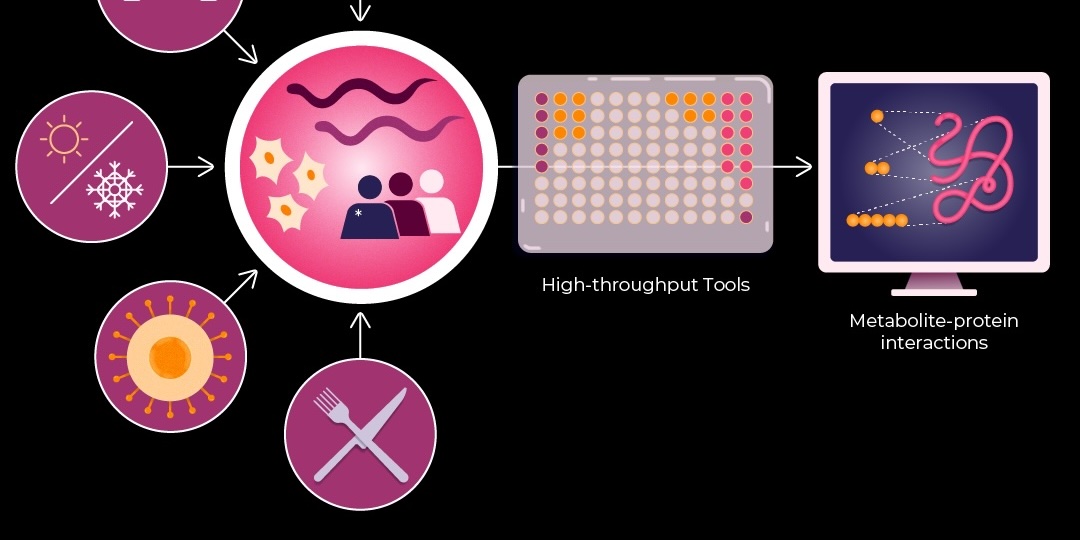
OSPool and Its Computing Capacity Helps Researchers Design New Proteins
Where to find freely available GPU and CPU computing resources for research on diseases like Alzheimers, Parkinsons, and ALS? This challenge faced by labs and researchers is becoming more acute with the increasing use of AI and machine learning (ML) which demand more computing capacity. For Dr. Priyanka Joshi’s [Biomolecular Homeostasis and Resilience Lab](https://www.joshilab.org/) at Georgetown University, the National Science Foundation (NSF) supported [OSPool](https://osg-htc.org/services/ospool/) and its [HTCondor Software Suite](https://htcondor.org/) was the answer.